
When to Install New Gutters vs. Replace Existing Ones on Your Home
If you're wondering when to install new gutters versus replacing existing ones, local service providers can assess your home and recommend the best solution.
Homeowners exploring when to install new gutters versus replacing existing ones often face important decisions that impact the long-term protection of their property. Understanding the condition of current gutters, along with factors like age, damage, and performance, can help determine the best course of action. Property owners in the area might be particularly interested in this topic to ensure their homes remain protected from water damage, foundation issues, and landscape erosion, especially after severe weather events or as part of regular maintenance planning. By learning about the signs that indicate a need for new gutter installation or a replacement, homeowners can make informed choices and connect with trusted local contractors who specialize in installing durable, efficient gutter systems.
Deciding whether to install new gutters or replace existing ones depends on several practical considerations. For example, gutters that are severely damaged, sagging, or have persistent leaks may require replacement to restore proper function. Conversely, if the existing gutters are relatively intact but outdated or showing signs of wear, a new installation might be the best way to improve performance and curb appeal. Local service providers can evaluate the current gutter system and recommend the most suitable solution, helping property owners protect their investment and maintain the home's exterior. Continuing to explore this topic can provide valuable insights into making the right choice for your home’s specific needs.
- When to install new gutters - homeowners may need new gutters installed when existing ones are severely damaged or outdated, with local contractors assessing the condition to recommend replacement.
- Replacing existing gutters - is often necessary when current gutters are functional but show signs of significant wear, prompting service providers to upgrade or replace for better performance.
- When to install new gutters - is suitable if gutters are leaking or sagging due to age, with local pros providing expert installation to ensure proper drainage and longevity.
- Replacing existing gutters - is advisable when gutters have been improperly installed or are incompatible with new roofing, with local service providers offering proper replacement solutions.
- When to install new gutters - may be recommended if existing gutters are beyond repair but the home’s structure is sound, with local pros ensuring seamless installation for optimal protection.
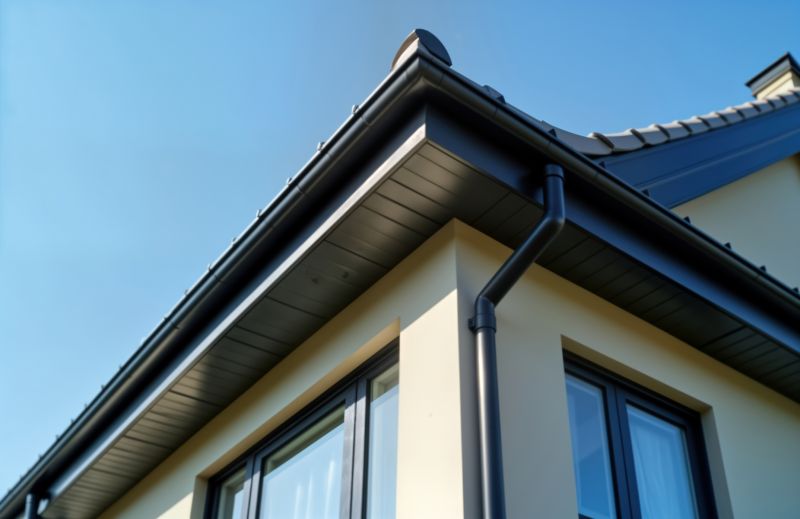
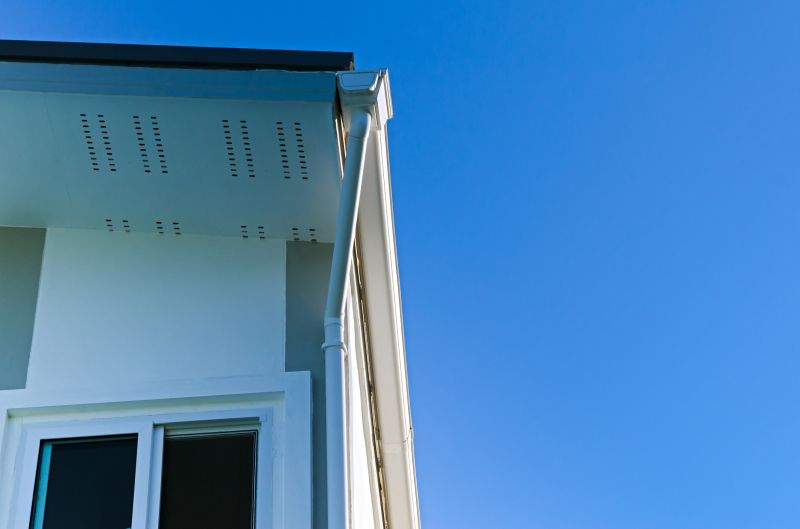
Understanding when to install new gutters versus replacing existing ones is a common concern among homeowners planning exterior improvements. Typically, homeowners search for this topic when they notice issues like leaks, sagging, or visible damage to their current gutter systems. These problems often relate to ongoing concerns about water runoff, foundation protection, and the overall appearance of the home’s exterior. Whether planning a renovation or addressing specific drainage problems, homeowners want to determine if repairing or upgrading their gutters will provide a longer-lasting, more effective solution. This decision-making process involves evaluating the current state of existing gutters, the extent of damage, and the goals for their home’s exterior functionality and aesthetics.
The choice between installing new gutters and replacing existing ones often ties into the condition of the current system and the homeowner’s future plans. For example, if gutters are severely damaged, rusted, or consistently clogged despite repairs, replacement might be more practical. Conversely, if the existing gutters are relatively intact but outdated or incompatible with new roofing or siding, installing new gutters can enhance the home’s overall performance. This topic also relates to projects where homeowners want to improve water management around their property or prevent issues like basement flooding and erosion. Local service providers who specialize in gutter installation and replacement can assess the specific needs of a home and recommend the most suitable approach based on the current condition and long-term goals.
Properties that typically come up in discussions about when to install new gutters versus replacing existing ones include older homes with original gutter systems, homes that have undergone recent renovations, and properties experiencing ongoing drainage issues. Residential properties with complex rooflines or multiple stories may require custom solutions, making professional assessment especially valuable. Additionally, homes situated in areas with heavy rainfall or seasonal storms might benefit from upgraded gutter systems to handle increased water volume effectively. For these types of properties, local contractors can offer expert evaluations to determine whether a repair, partial replacement, or full installation will best meet the homeowner’s needs, ensuring that the gutter system functions reliably over time.
Deciding whether to install new gutters or replace existing ones is a practical step that depends on the specific condition of the current system and the homeowner’s goals for their home’s exterior. Whether addressing visible damage or planning a broader upgrade, understanding the differences helps homeowners make informed choices. Local service providers can provide valuable insights and professional installation services tailored to each property’s unique requirements. By evaluating the state of existing gutters and considering future needs, homeowners can ensure their drainage systems are effective, durable, and aligned with their overall property maintenance plans.
Gutter cleaning and maintenance services involve assessing gutter condition and debris removal, which are essential steps before deciding to repair, install, or replace gutters on a home.
Roof inspection projects require evaluating roof and gutter interfaces, helping determine whether existing gutters are sufficient or if new installations are needed to prevent water damage.
Home exterior renovation services often include gutter updates as part of overall upgrades, aligning with decisions about when to install new gutters versus replacing old ones on a home.
Downspout and drainage system installation projects relate to ensuring proper water flow, which can influence whether existing gutters need replacing or can be repaired during maintenance.
Soffit and fascia repair services involve working on the areas where gutters are attached, providing insight into whether existing gutters are still viable or require replacement.
Leak detection and sealing projects focus on identifying gutter leaks, which can help determine if repairs are sufficient or if a full replacement is necessary for optimal performance.
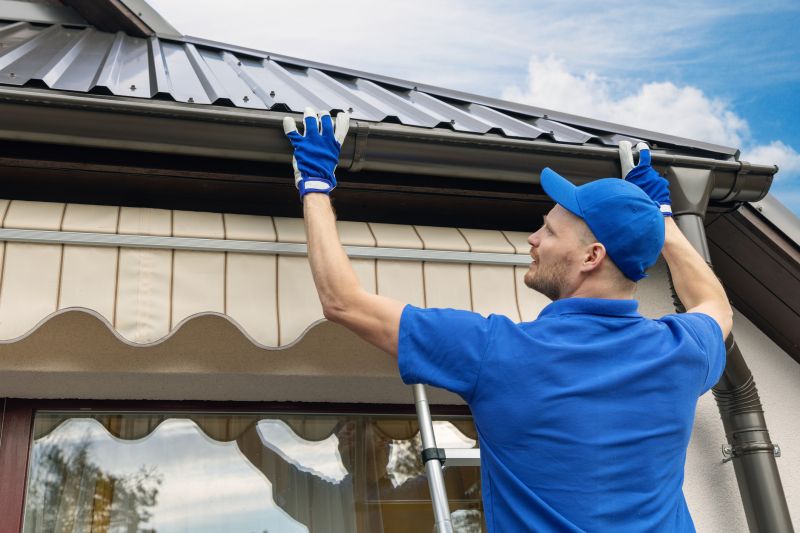
When evaluating service providers for new gutters installation, it is important to consider their experience with similar projects. Homeowners should inquire about the types of gutter systems they have installed and whether they have worked with homes comparable in size, style, or roofing material. A contractor with a history of handling projects like yours can offer insights into the best solutions for your specific needs and help determine whether it’s more appropriate to install new gutters or replace existing ones. Additionally, reputable local contractors should be able to provide clear, written expectations outlining the scope of work, materials, and process involved, ensuring there are no surprises once the project begins.
Reputable references and reviews are essential when comparing local pros for gutter services. Homeowners can ask for examples of past projects similar to their own or seek feedback from previous clients to gauge the quality of workmanship and reliability. Positive references can indicate a contractor’s ability to deliver satisfactory results and handle the nuances of installing or replacing gutters effectively. Good communication is equally important; service providers should be responsive and willing to answer questions, clarify project details, and discuss options openly. Clear communication helps ensure that homeowners understand when it’s best to install new gutters versus replacing existing ones, based on the condition of their current system and the specific requirements of their home.
Finally, assessing how well local contractors communicate and their transparency can make a significant difference in the overall experience. A professional service provider should listen carefully to homeowner concerns, provide detailed explanations, and offer guidance on the most appropriate course of action for gutter installation or replacement. This dialogue helps homeowners make informed decisions about when to proceed with installing new gutters versus replacing existing ones, considering factors such as gutter age, damage, and functionality. Choosing a contractor who demonstrates good communication and transparency can lead to a smoother project process and a more satisfactory outcome.
Property owners often search for when to install new gutters vs. replace existing ones on your home when they are planning practical projects around their homes and businesses. Local pros provide New Gutters Installation services for everyday jobs and straightforward project options.
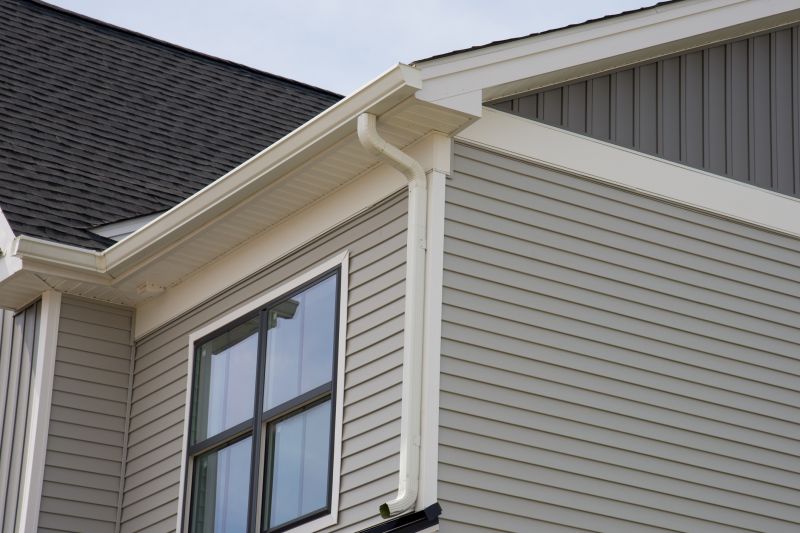
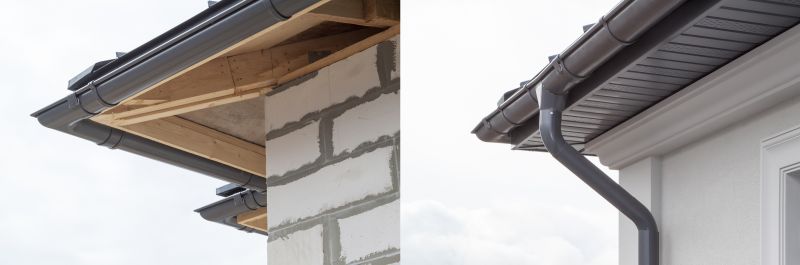
Deciding when to install new gutters versus replacing existing ones often depends on the condition of the current system and the specific needs of the home. For property owners dealing with gutters that are severely damaged, sagging, or clogged despite maintenance efforts, replacement might be the more practical option. Local contractors can assess whether the existing gutters can be repaired or if a full installation is necessary to ensure proper water drainage and protection against water damage. Homeowners who notice frequent leaks, rust, or significant deterioration may find that installing new gutters provides a more reliable and long-lasting solution, especially if the existing system is outdated or incompatible with the home's current design.
In cases where gutters are relatively intact but show signs of aging or minor issues, a repair or partial upgrade might suffice. However, if the gutters are nearing the end of their lifespan or have experienced extensive wear, replacing them entirely can prevent ongoing problems. Local service providers can help determine whether a simple upgrade or a full installation is the best course of action. Choosing to install new gutters can also be advantageous when upgrading to a different style or material that offers better durability or aesthetic appeal, ensuring the home’s exterior remains functional and attractive for years to come.
When should you consider installing new gutters instead of replacing existing ones? Installing new gutters may be advisable when the current system is outdated, damaged beyond repair, or not functioning properly to protect your home effectively.
How can I tell if my existing gutters need to be replaced rather than repaired or upgraded? Signs such as frequent leaks, sagging, rust, or extensive damage often indicate that replacing existing gutters is more practical than repairs or new installation.
Are there benefits to installing new gutters if my current gutters are still in decent condition? Yes, upgrading to new gutters can improve water flow, prevent future damage, and enhance the home's exterior appearance, especially if the existing system is aging.
What factors influence the decision to install new gutters versus replacing existing ones? Factors include the age and condition of the current gutters, extent of damage, and whether the existing system meets the home's needs and aesthetic preferences.
How can local contractors assist with deciding between installing new gutters and replacing existing ones? Local service providers can assess the current gutter system, recommend the best course of action, and handle both installation and replacement to ensure proper function and durability.
Assessing gutter condition - inspecting for rust, cracks, or sagging helps determine if installing new gutters or replacing existing ones is more appropriate for the project.
Considering home age and gutter lifespan - understanding when gutters have reached the end of their service life guides decisions on whether to install new or replace existing gutters.
Evaluating existing gutter system compatibility - checking if current gutters can be upgraded or if a complete replacement is needed ensures a proper fit for the home's needs.
Identifying specific project goals - whether improving drainage or updating the home's appearance, consulting local contractors can help plan the best approach for installing new gutters or replacing existing ones.
If you are thinking about when to install new gutters vs. replace existing ones on your home for a property, this guide is meant to help you understand this topic, the typical project types, and how different options might fit your plans.
When you are ready, you can use the quote form on this page to share a few details about your project. From there, local pros can review the basics and follow up with options that match what you have in mind.